Ukraine's Inflation Hits 11% in October: NBU Hikes Key Rate to Curb Price Growth
Annual inflation in Ukraine accelerated to 11% in October, driven by surging fuel costs and energy disruptions. The NBU responded by raising the interest rate to 16.5%.
 🏦Банки та гроші
Photo: ТСН: Гроші
Key points
- Annual inflation rose to 11% in October 2026.
- Fuel prices surged by 53.9%, impacting logistics and food production.
- NBU raised the key interest rate to 16.5% to combat price growth.
In October 2026, annual inflation in Ukraine accelerated to 11%, up from 10% in September. According to the National Bank of Ukraine (NBU), consumer prices rose by 1.8% in monthly terms, while core inflation reached 9.7%. Consequently, the central bank has revised its inflation forecast for the end of 2026 upward to 12.5%.
Key Drivers of Inflation
The energy sector remains the primary source of price pressure, with fuel prices soaring by 53.9% annually. Diesel and LPG saw the most significant increases in October. These rising costs have trickled down to the food industry, where processed food prices rose by 11.1% over the year. Producers, including poultry farms and manufacturers of frozen goods, have increasingly relied on diesel generators due to electricity shortages.
Labor shortages have also forced some businesses to scale back production, further impacting supply. Conversely, sunflower oil prices grew more slowly as domestic raw material prices dipped following the new harvest, combined with export challenges.
Services and Non-Food Goods
The services sector saw a 14.6% price hike, led by mobile communications, medical diagnostics, and residential rents, the latter driven by internal migration. In the non-food segment, pharmaceuticals experienced the sharpest rise. Suppliers cited increased costs for logistics and the need to rent smaller, decentralized warehouses following the destruction of major storage facilities.
"Raising the key rate is intended to support the attractiveness of hryvnia savings and curb inflationary expectations," the NBU stated.
To counter these trends, the NBU increased its key policy rate from 16% to 16.5%, effective October 30, 2026. The regulator anticipates that inflationary pressure will begin to subside only in 2027 as the impact of fuel price hikes fades and wage growth slows amid restrained economic activity.
Source ТСН: Гроші — tsn.ua/groshi/natsbank-poiasnyv-chomu-v-ukrayini-dorozchaiut-palne-liky… ↗
Read next
 🏢Бізнес
Zelenskyy: Starshield disruptions at the front line benefit Russia
President Zelenskyy stated that Starshield satellite connectivity issues are hindering Ukraine's ability to intercept Russian drones and missiles.
 🛒Ціни та тарифи
Ukraine expects energy and humanitarian assistance packages from EU soon — Zelenskyy
Following talks in Dublin with EU leaders, President Volodymyr Zelenskyy announced that Ukraine anticipates receiving winter aid packages covering energy, humanitarian ne…
 🧾Податки та виплати
Ministry of Defense appoints new deputy for defense budget
The Cabinet of Ministers has appointed Oleksandr Plachynta as Deputy Minister of Defense to oversee the agency's financial resources and budget policy.
 💼Ринок праці
SkyUp Airlines Appoints Dmytro Popel as New CEO Amid Group Transformation
SkyUp Airlines has announced management changes, with Dmytro Popel taking over as CEO while former head Dmytro Seroukhov moves to a group-level commercial role.
 🛒Ціни та тарифи
UAV debris damages power line in Poltava region, leaving hundreds without electricity
Enemy drone debris damaged a power line in the Poltava region, cutting off electricity for about 450 consumers.
 🏢Бізнес
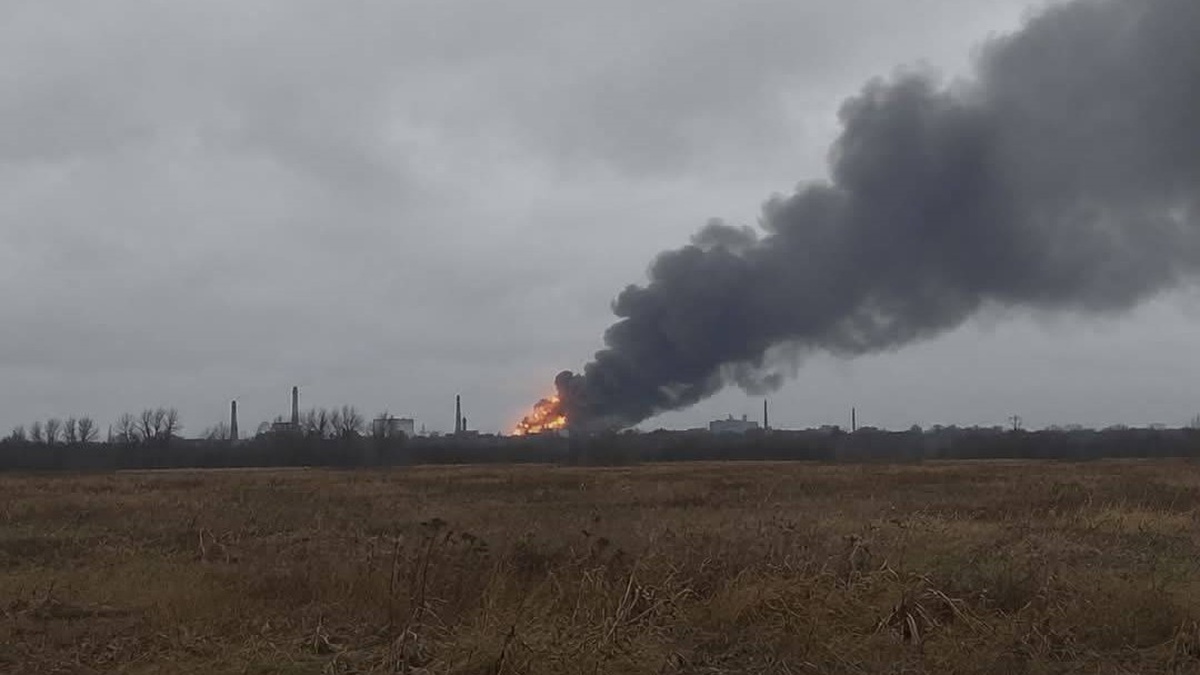
Russian Missile Strike Damages Naftogaz Facility in Chernihiv Region
Two Russian missiles targeted a Naftogaz Group facility in northern Ukraine, causing significant damage to technological equipment. No casualties were reported.